Frank Lucas: The Rise and Fall of Harlem’s Drug Kingpin
Early Life: From Rural North Carolina to the Streets of Harlem
Frank Lucas was born on September 9, 1930, in La Grange, North Carolina, a small rural town where opportunities were scarce, and poverty was rampant. Like many African Americans in the Jim Crow-era South, Lucas witnessed racial violence and economic hardship firsthand. The defining moment of his early life, according to Lucas, was witnessing the murder of his 12-year-old cousin at the hands of the Ku Klux Klan. Whether this story was true or an embellishment remains debated, but it was a turning point that ignited his desire to escape the limitations of the South.
In search of a better life, Lucas made his way to Harlem in the late 1940s. There, he became involved in petty crime, robbing pool halls and engaging in street hustles. His talent for deception and an innate ability to command respect quickly gained him entry into the world of organized crime. It was in Harlem that he found a mentor in Ellsworth “Bumpy” Johnson, the legendary crime boss who controlled much of the neighborhood’s illicit activities.
Learning from Bumpy Johnson
Lucas worked under Johnson, learning the ropes of the underworld. Johnson, often referred to as the "Godfather of Harlem," was a well-connected figure with ties to Italian crime families. He taught Lucas the importance of discipline, strategic thinking, and, most importantly, keeping a low profile. When Johnson died in 1968, Lucas saw an opportunity to seize power and take Harlem’s drug trade to new heights.
The Heroin Empire: "Blue Magic"
Frank Lucas revolutionized the heroin trade by cutting out the middlemen and dealing directly with suppliers in Southeast Asia. While most heroin distributors relied on the Italian Mafia for their product, Lucas had a different plan. He traveled to Thailand, where he forged direct connections with suppliers in the infamous "Golden Triangle"—a region known for its opium production.
Lucas devised an audacious smuggling operation that reportedly involved using the coffins of deceased American soldiers returning from the Vietnam War. Though this claim has been disputed, it added to the legend of his criminal enterprise. By importing heroin directly, Lucas ensured that his product, branded as "Blue Magic," was both purer and cheaper than anything else on the streets. This allowed him to dominate Harlem’s drug market and amass an empire worth millions.
Living the High Life
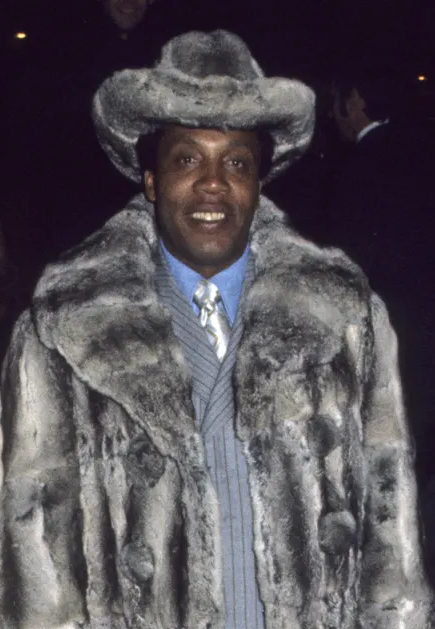
With his drug empire booming, Lucas indulged in the lavish lifestyle of a true kingpin. He bought a massive estate in Teaneck, New Jersey, and owned several luxury properties. He was known for his extravagant spending, flashy suits, and his famous fur coat—a chinchilla and matching hat ensemble worth $100,000 that he wore to a Muhammad Ali fight. Ironically, that very outfit made him a target of law enforcement, as it drew unwanted attention from investigators.
Despite his ostentatious displays of wealth, Lucas also portrayed himself as a man of the people. He handed out money to struggling families in Harlem and claimed he was improving the community. However, the reality was far grimmer. His heroin empire left a devastating impact, fueling addiction, crime, and destruction in the very neighborhoods he claimed to uplift.
Law Enforcement Closes In
Lucas' reign didn’t go unnoticed. Federal agents, led by detective Richie Roberts, launched an extensive investigation into his operation. Roberts and his team worked tirelessly to gather evidence, and in 1975, Lucas was arrested in a massive drug raid. Authorities seized over $500,000 in cash and a large quantity of heroin.
Faced with a long prison sentence, Lucas made a controversial decision—he became an informant. He provided testimony against corrupt police officers and other drug traffickers, which significantly reduced his sentence. Instead of life in prison, he received a reduced sentence and was released in 1981. However, he couldn’t stay out of trouble for long. In 1984, he was arrested again for attempting to exchange drugs for cash, leading to another term behind bars.
The American Gangster Legacy
Frank Lucas’ story was immortalized in the 2007 film American Gangster, starring Denzel Washington as Lucas and Russell Crowe as Richie Roberts. The film took creative liberties, but it reignited public interest in Lucas’ life and reignited debates over his legacy.
In his later years, Lucas portrayed himself as a reformed man, offering advice to young people about the dangers of the drug trade. However, opinions on him remain divided. Some see him as a shrewd businessman who outwitted both the Mafia and law enforcement, while others view him as a criminal who profited off the suffering of his own community.
Death and Legacy
Frank Lucas passed away on May 30, 2019, at the age of 88. His life remains one of the most complex and controversial chapters in American crime history. From his humble beginnings in North Carolina to becoming one of the most notorious drug lords in Harlem, Lucas’ story is a testament to the allure and the peril of power.
In the end, Frank Lucas’ legacy serves as a cautionary tale—one of ambition, crime, and the inevitable downfall that follows even the most successful criminals. His name will forever be tied to the dark history of the American drug trade, a reminder of how one man’s pursuit of power can shape the fate of an entire community.
Comments
Post a Comment